
How an AI Dungeon Master Runs Your Game
A game master that rolls real dice.
An AI dungeon master reads what you typed, decides whether it needs a roll, and narrates the outcome. In NOPOTIONS the split is explicit: the Narrator handles description and NPC behaviour, and the game engine handles the d20, the difficulty class, and the state change. Watch a turn above, then play one yourself below.
How you play
The guard plants his halberd across the gate. “No blades past this point.”
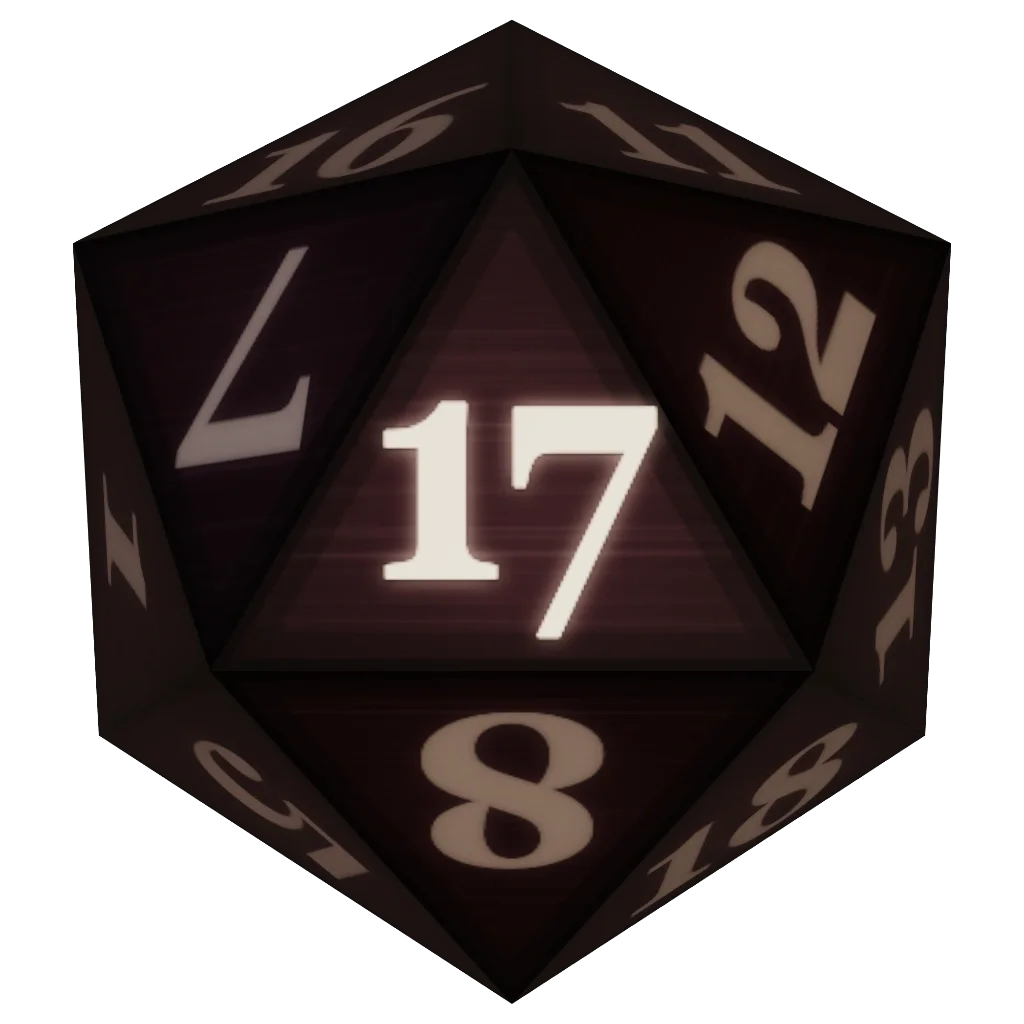 Persuasion 14 + 3 vs DC 12
Success
Say anything. The Narrator resolves it.
Type anything, or take a suggested action. Trivial acts simply happen. Uncertain skill actions roll a d20 against a difficulty class, with your skill and attribute modifiers shown. Combat attacks use their own resolution system, described below.
One persistent world.
Valdaria runs on its own clock and calendar. Characters keep relationships and grudges, your journal records what you actually did, and the world picks up exactly where you left it.
An open world map.
Villages, roads, dungeons, and points of interest sit at real coordinates you physically travel between. Where you stand decides what can find you, and what you can find.
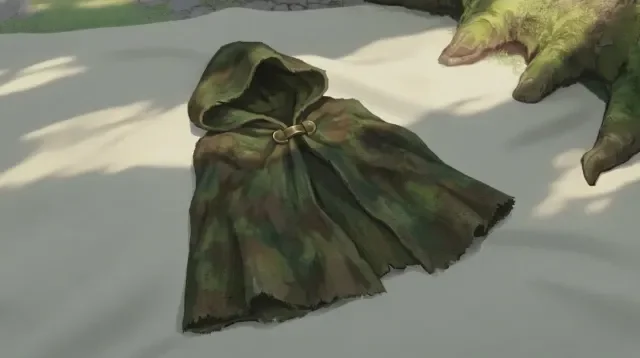
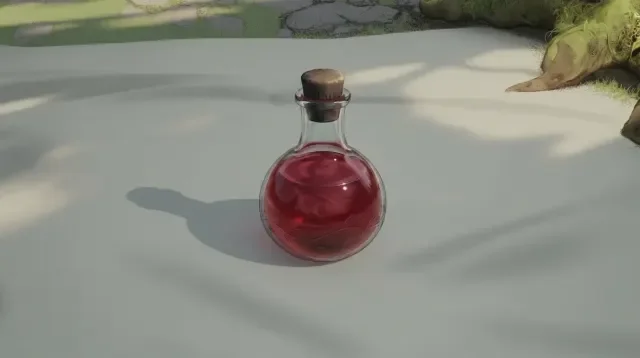
Loot with affixes. Materials you craft.
Enemies drop rarity-tiered gear with real stats: damage dice, armor, weight, value, and affixes that raise your skills and attributes while worn. Harvest materials from your kills and craft them into potions and gear.
Skills and feats grow from use.
Each skill check trains one of 21 skills. Combat victories grant Slayer experience; talking your way out trains Persuasion. Skill and class milestones unlock feats that give your build new abilities and ways to play.
Feats: your build, written in scars
Feats are earned powers with real rules behind them, drawn from your class and your trained skills. These are three of the game's own cards:
- Barbarian
- Warrior
- Stealth skill
How does combat work in an AI RPG?
Combat uses NOPOTIONS' own ruleset. The engine resolves attacks through accuracy and evasion, then armor and damage-type resistance. Critical hits roll the damage dice again and add that roll to the hit before defenses apply. Skill checks use a d20; swinging a weapon does not require a skill check.
Class feats, skill trees, and equipment unlock new ways to fight: advantage and disadvantage, burning, chilling, grappling, and movement control. Your build can boost evasion, weaken enemy armor, or lower specific resistances. Magic items and NPC magic already work; player spellcasting is coming in a future update. Combat waits for your next move, and the monsters you will face live in the bestiary of Valdaria. Fight one yourself in the playable turn below.
Everything the Narrator tracks
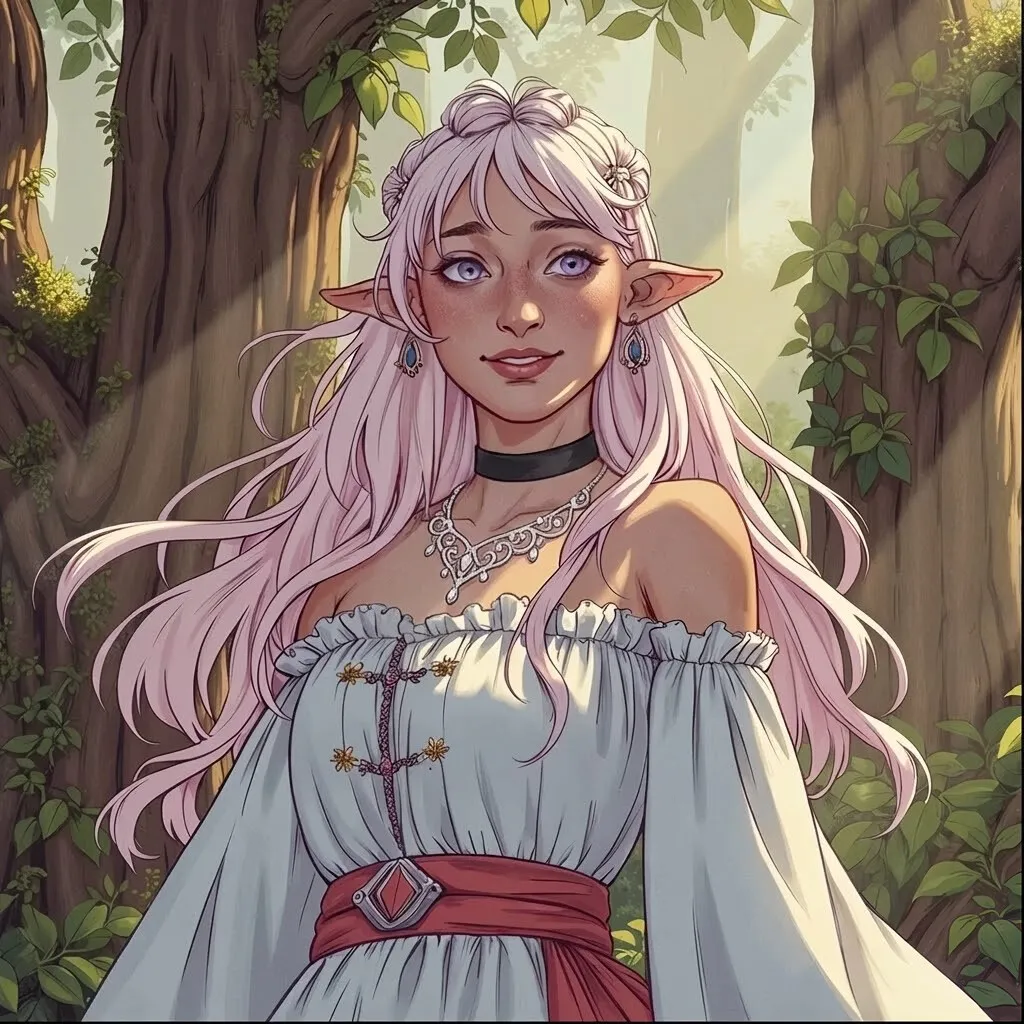
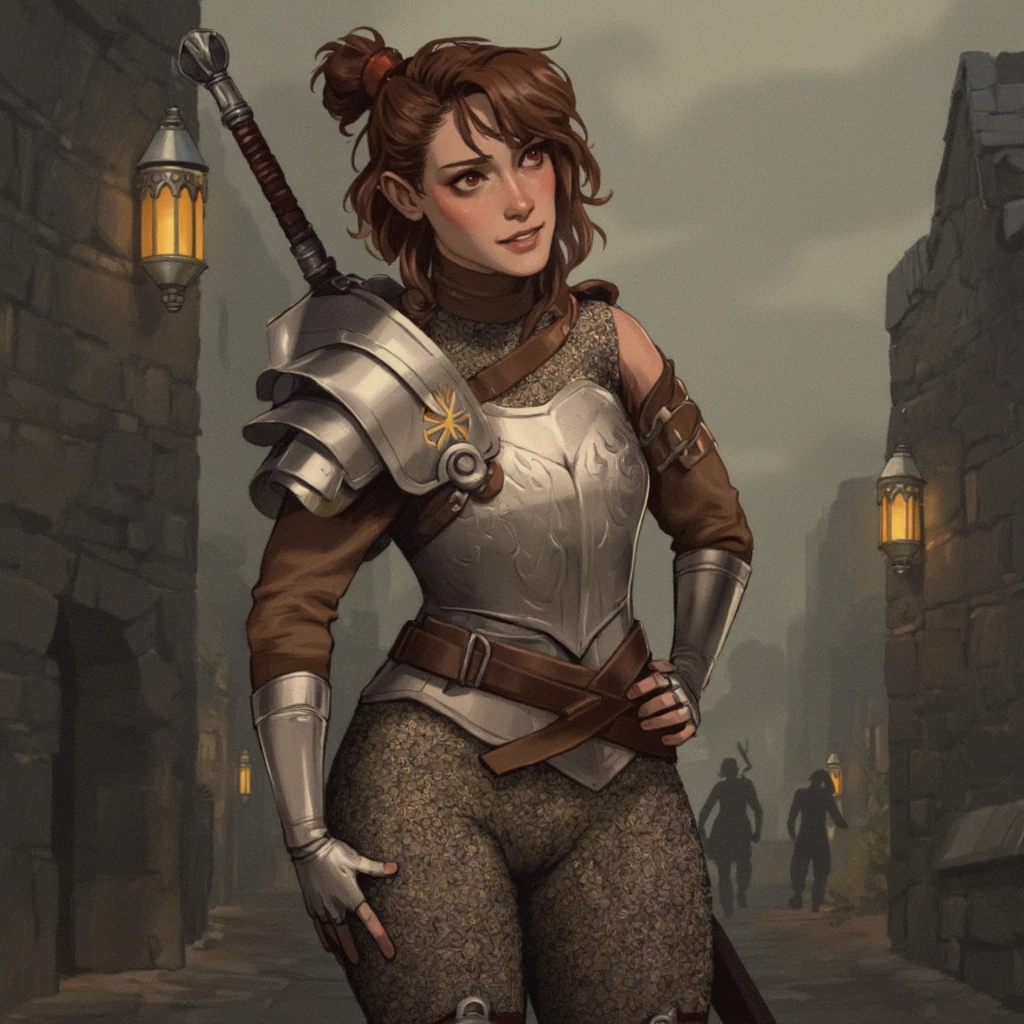 Your CharacterRace, class, attributes, backstory, bonds, and a portrait to match. The Narrator reads all of it, and it offers a sworn oathkeeper different trouble than a practiced liar.How character creation works →
 A World That Keeps ScoreValdaria has authored pantheons, monsters, and history that do not reset. Rob a merchant and the grudge survives the logout.Explore the world of Valdaria →
Try a turn yourself
A scripted slice of play using the real game interface. Talk, sneak, investigate, or fight: pick an action, roll the die when it appears, and claim what you find. Every path resolves differently, so replay it.
Rain hammers the shutters of the Golden Barrel Tavern. The door bangs open and a courier staggers two steps into the lamplight before he folds, a crossbow bolt in his back and a sealed letter clutched in one fist. The common room goes silent. Behind the bar, Rella stops drying the mug in her hands and sets it down.
Your Turn
If you choose: Reach the body first and search it before anyone else moves.
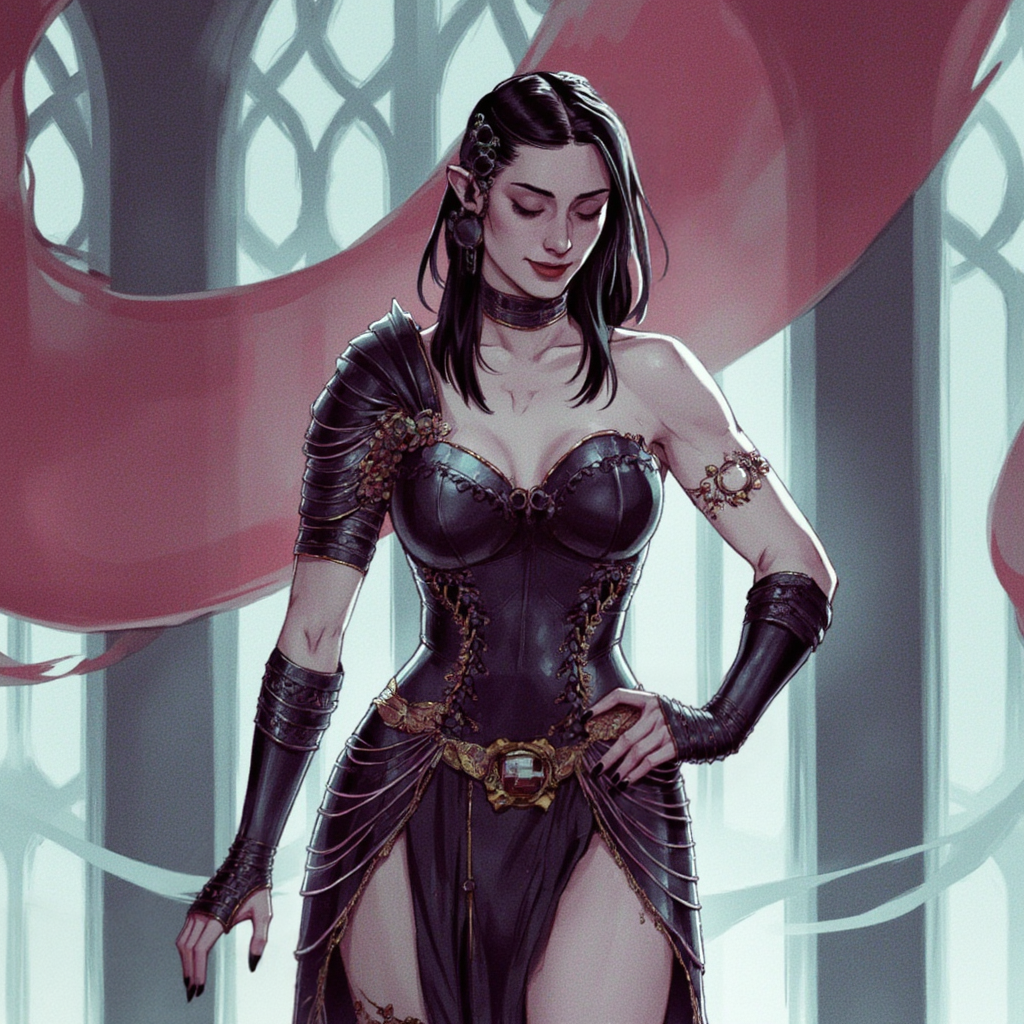
I get to him first and go through his coat.
THIEVING check, difficulty class 13: Search the courier's coat before anyone else reaches him. The d20 lands on 15, plus 4 from skill, for 19 total. Result: success.
You are kneeling at his side before the nearest drinker has pushed back his stool. Your fingers find the letter, a purse still warm from his chest, and the wax seal: a closed eye pressed into ash-grey wax. You have the lot palmed and pocketed before Rella rounds the bar.
Loot acquired: Sealed Grey Letter x1, Gold x12.
The tavern is loud again, with the particular loudness of a room where everyone is pretending not to watch you. The letter sits inside your coat like a coal. The seal is ash-grey wax, stamped with a closed eye. You do not know the mark, but the courier died carrying it toward Totem Village.
Your Turn
If you then choose: Break the seal and read it here, in the open.
I break the seal and read it right here.
PERCEPTION check, difficulty class 12: Catch who reacts when the seal breaks. The d20 lands on 14, plus 3 from skill, for 17 total. Result: success.
The wax cracks like a knuckle. Two lines, no signature: "The crossing at Old River Camp is watched. Send no more riders." Somewhere behind you a chair scrapes, and when you glance up, the room has one fewer drinker than it did a breath ago. You know exactly which stool is empty.
If you then choose: Slide the letter across the bar and watch Rella read the seal.
I show Rella the seal and watch her face while she reads it.
INSIGHT check, difficulty class 13: Read Rella's face as she takes in the seal. The d20 lands on 12, plus 2 from skill, for 14 total. Result: success.
Rella looks at the closed eye in the wax and her face does something you have never seen it do in three years of drinking here: it closes. "Take that off my bar," she says quietly. "And if anyone asks, you found it in the road." She knows the mark. She will not say the name under her own roof.
If you then choose: Pocket it and slip out the back into the rain.
I keep it hidden and slip out the back way.
STEALTH check, difficulty class 12: Slip out the back without being seen. The d20 lands on 11, plus 3 from skill, for 14 total. Result: success.
You are a shadow between the kegs and gone. Rain swallows your footprints in the yard mud. From the alley you watch the tavern door: a big man in a wet oilskin steps out after you, looks up the empty street both ways, and goes back inside. You have the letter, and now you know someone wants it.
If you choose: Ask Rella who the courier was. She sees everyone who rides this road.
Rella. Who was he? He came to you.
PERSUASION check, difficulty class 12: Get Rella to name the dead courier. The d20 lands on 13, plus 3 from skill, for 16 total. Result: success.
Rella does not look at the body. "Marek. Rode the Totem Village road twice a month, regular as rent." Her voice stays flat, but her hands have gone still on the bar. "Third rider lost on that road since the thaw. You did that job for the millers in spring, so folk here trust you. Maybe you could find out what is eating the road."
If you choose: Kick the door shut and draw steel. Whoever loosed that bolt is close.
I kick the door shut, bar it, and draw my blades.
ACROBATICS check, difficulty class 14: Bar the door before the next bolt finds you. The d20 lands on 16, plus 3 from skill, for 19 total. Result: success.
The bar drops into its brackets as a second bolt slams into the oak from outside, head-height, where a slower pair of hands would have been standing. Through the shutter slats you catch it: a figure on the smithy roof, reloading without hurry, waiting to see if you will come out. You have the shooter's perch and the range now. The fight starts from there.
Rain sheets off the smithy roof where the shooter waits, crossbow trained on the tavern door, patient as rent day. He has not marked the back window. Between you and him: a muddy yard, one covered wagon, and ten feet of wet shingle.
Your Turn
If you then choose: Cross the yard under the wagon and take him on the roof.
I slip out the back window, cross under the wagon, and climb the far side of the smithy.
ACROBATICS check, difficulty class 14: Cross the yard and climb onto the smithy roof. The d20 lands on 17, plus 2 from skill, for 19 total. Result: success.
You attack Crossbowman with 6 Pierce + 3 Pierce. Crossbowman takes 2 damage from Bleeding for 30s. You have defeated Crossbowman. +35 SLAYER XP.
He hears the gutter creak half a breath too late. It is quick and ugly, the way roof fights are, and then it is over and the rain sets about washing the shingles clean. A sellsword, by his kit, paid in advance by the weight of his purse, and wearing a blade on his hip far too fine for shooting couriers in the dark.
Loot acquired: Knight's Longsword (rare, item level 5). A master-smithed longsword balanced for a heavy hand. Damage: 1d8 SLASH + 1d6 SLASH. Weight 3.25 lbs, value 420 gold. +85 Gold.
If you then choose: Hold behind the bar and watch him through the shutter slats.
I stay put and watch him through the shutters. Let him make the mistake.
PERCEPTION check, difficulty class 12: Track the shooter through the shutter slats. The d20 lands on 13, plus 3 from skill, for 16 total. Result: success.
He gives it the time a paid man gives a job, no more. When the rain thickens he comes down the smithy ladder, unhurried, and walks north out of the lamplight with the crossbow slung. North is the road the courier died riding. You have his gait, his build, and his direction now, and he does not know you were counting.
If you then choose: Douse the lamps and take his shot away. Morning is on your side.
I douse every lamp in the common room and settle in to wait him out.
No roll needed; lamps go out when you tell them to. The common room drops into the dark, and with it goes every clean shot he had. An hour of rain later the roof is empty, and morning finds two bolt heads in the oak door and a tavern full of people who saw you keep them alive. Rella pours your breakfast without being asked.
Your Turn
Take the next turn in the real game
Frequently asked questions
What is an AI dungeon master?
An AI dungeon master runs a tabletop-style RPG for you: it describes the scene, plays the NPCs, calls for checks, and applies the outcome. In NOPOTIONS the Narrator does the describing and the game engine does the rolling, so a d20 result is a real roll against a difficulty class rather than text the model chose to write.
Can I play a D&D-style campaign solo?
Yes. NOPOTIONS is built for one player, with its own ruleset and builds shaped by class feats, skill trees, and equipment. The Narrator is ready whenever you sit down, and your character, inventory, and history are waiting where you left them. Warrior and Rogue are the playable classes today.
Is NOPOTIONS free?
Yes. You can play free with credits you claim daily. Memberships add more turns each month; see the membership plans.
Do I need to know tabletop RPG rules?
No. If you can type what you want to do, the Narrator handles the rules. D&D veterans will feel at home with the d20 bones; newcomers never need to open a rulebook.
Does the AI actually roll the dice?
Yes. The game engine rolls every check in the open on the dice tray you just used. The tray shows the natural roll and the difficulty class, with your modifiers broken out beneath them. The result stands, and the Narrator writes the scene from whatever the die decided.
 Critical Success
 Critical Failure
What happens when you fail a roll?
A failed skill check still moves the scene forward. A failed climb can leave you stranded below your destination. A botched lockpick leaves scratches a guard might notice tomorrow. Those stakes are what make a natural 20 worth shouting about.
What happens if my character dies?
Death is a hard stop for that character. Your account carries on, and you can raise a new character in the same Valdaria.
Does it remember my past choices?
Yes, that is the point of the persistent world. Characters remember favors and grudges, your journal keeps the story so far, and your history is context for every new turn.